Australian health providers are wrestling with how to obtain patient consent for the growing use of artificial intelligence (AI) in clinical care, a topic highlighted in a recent guide for general practitioners and a national conference on AI in radiology.
Consent rules strain under AI expansion
Current consent procedures were described at the #Intelligence26 conference as “not fit for purpose.” Yves Saint James Aquino, a research fellow at the University of Wollongong’s Australian Centre for Health Engagement, Evidence and Values, said clinicians lack clear direction on informing patients when AI tools are involved.
He listed five issues that complicate decision‑making. First, “AI” covers a wide range of technologies, making it hard to decide when separate consent is needed. Second, the inner workings of many algorithms remain opaque even to doctors, which hampers explanations to patients.
“We know the input and the output but we don’t know how the AI system arrived [at its conclusion],” he explained. A third problem is the blurry line between administrative software and medical devices that require Therapeutic Goods Administration (TGA) approval.
Many AI scribe tools are marketed as administrative aids and thus avoid registration, yet if they begin to suggest diagnoses or treatment options they fall under the medical‑device category and must be listed on the Australian Register of Therapeutic Goods.
Technical and regulatory gray zones
Another complication is that AI systems often consist of hardware, software and cloud services spread across different jurisdictions. Privacy obligations can shift depending on where data is stored, and risk assessments vary by country.
Related: Private hospitals see revenue rise under new reform proposals
A fourth challenge is that AI models evolve over time as they ingest new data. This continuous learning can improve performance but also risks drifting away from the evidence base that justified the original approval.
In a separate survey, 32% of Australian practitioners reported using AI tools daily, with a notable share employing AI scribes for clinical documentation.
Regulators such as the Australian Health Practitioner Regulation Agency (Ahpra) stress “meaningful” consent, especially for AI that records private conversations, warning of possible criminal implications if consent is absent.
Patient views and future steps
Empirical data on patient attitudes remain limited, but existing studies suggest most people want to be notified when AI is used in their care. Preferences differ by age, gender, income and perceived risk.
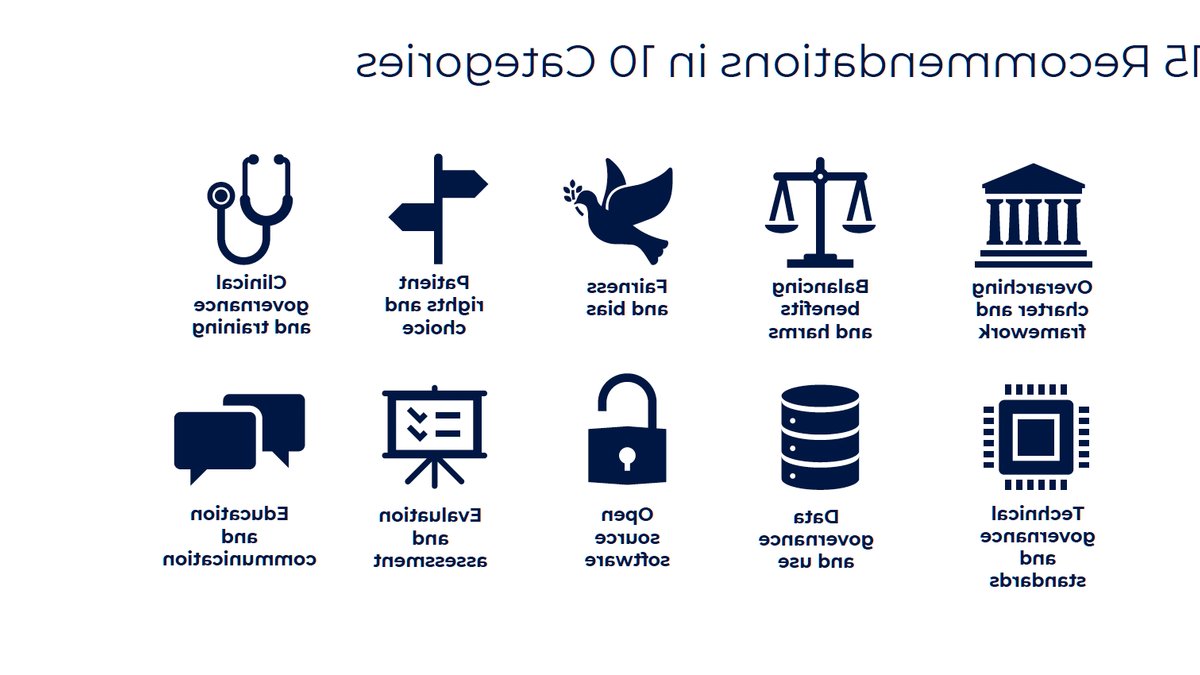
In 2023 a national citizens’ jury of thirty Australians produced fifteen recommendations, calling for an AI charter that includes Aboriginal and Torres Strait Islander peoples, rural communities and sustainability considerations.
One recommendation urges professional bodies to issue clear guidance on AI outcomes and to require training before clinicians deploy these tools.
While the jury emphasized the need for transparency, it also warned that consumers could bear most of the risk if AI systems malfunction or exacerbate inequities.
Related: Boy Rescued by Teen Lifeguard in California
In my view, the consent challenges echo earlier debates over electronic health records, where the promise of efficiency clashed with privacy concerns. Those discussions eventually led to stricter data‑sharing policies, suggesting a similar evolution may be needed for AI.
Health officials continue to ask practical questions: Should consent be secured each time AI is applied, or only at the first encounter? Who is responsible for obtaining it—the receptionist, the clinician, or an institution‑wide protocol?
Experts like Rosie Dobson, a psychologist advising on AI governance in New Zealand, note that patients “want to trust the healthcare system” without having to understand technical details, placing a heavy burden on governance frameworks.
Dobson also highlighted equity issues, pointing out that costly AI tools may only be available on the latest equipment in urban hospitals, leaving rural patients at a disadvantage.
Consumer representative Murray McLachlan warned that the first encounter with AI could leave patients “bamboozled,” urging clinicians to simplify explanations and anticipate follow‑up questions.
As AI becomes embedded in routine procedures such as CT and MRI scans, the balance between operational efficiency and respecting patient autonomy will remain a central tension for Australian health services.