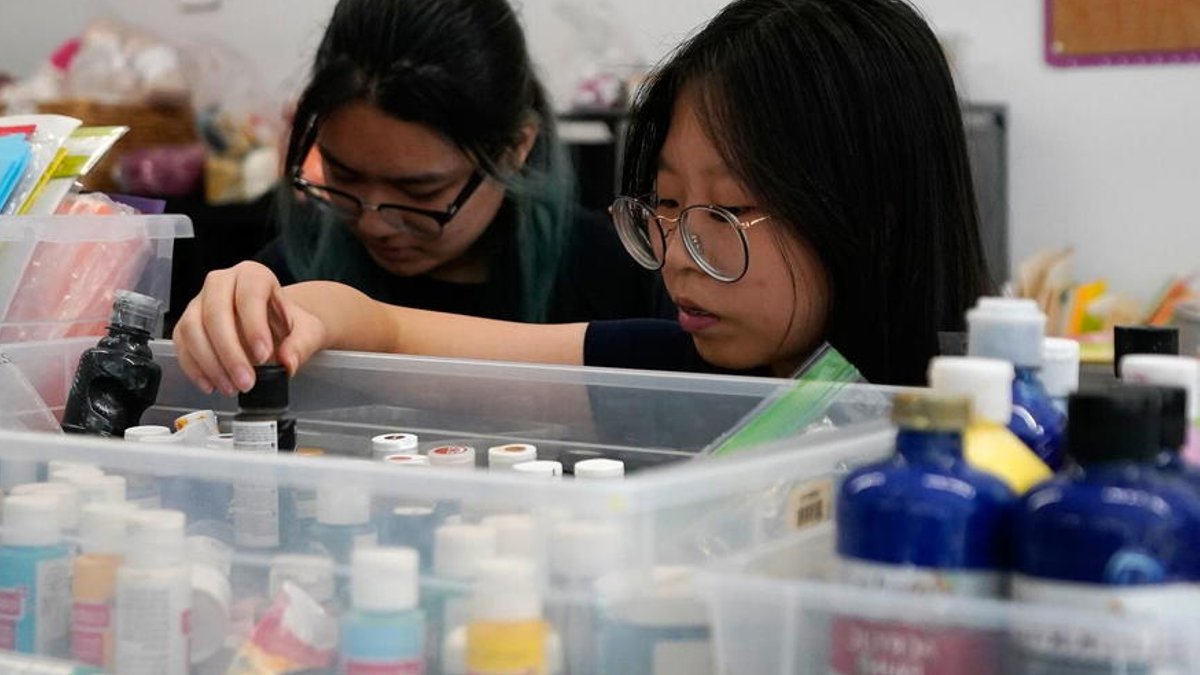
Creative reuse centers are popping up across the country as places where artists can find gently used supplies for a fraction of the price. Charlene Catalano, a resident of New York, recently visited Brooklyn Creative Reuse to find a ball of green-and-white yarn for a winter scarf. She walked out of the store with everything she needed for $6, including crochet kits, hooks, and labels, proving that these thrift-style shops offer significant savings for crafters.
These facilities operate similarly to thrift stores but specialize in art materials. They collect donations of craft supplies and sell them at steep discounts, often pricing items by weight rather than by the individual unit. Brooklyn Creative Reuse prices most supplies at $3 per pound. The model allows educators, parents, and hobbyists to acquire materials without paying premium prices for brand-new items.
The environmental impact of this business model is substantial. Art supplies typically come in bulk packaging that far exceeds the needs of a single project. When these items are discarded, they degrade slowly in landfills. Synthetic paintbrushes can take hundreds of years to break down, while their plastic handles may last up to a thousand years. Furthermore, the breakdown of synthetic materials can release harmful chemicals and microplastics into the surrounding environment.
Julian Silverman, a materials scientist at the Fashion Institute of Technology, explains that the resource consumption involved in manufacturing art supplies is high. It takes approximately 13 gallons of water to produce a single gallon of paint. The packaging also adds to the waste stream, often involving plastic and cardboard. Reusing these materials helps cut down on the water and energy required to create new products.
Related: Michigan Senate Hopefuls Make Final Push
At Scraplanta Creative Reuse in Atlanta, the network collects nearly 7,000 pounds of supplies each month. Jonelle Dawkins, the executive director, notes that even half-empty bottles of glue or paint often have value. “We see the value in that half bottle of paint or glue because if it’s still usable, there’s someone who just needs that for their project,” she said.
Zoie Diana, an environmental scientist at Barnard College, points out that paint is essentially a plastic product. When it breaks down, it can release heavy metals like cadmium and cobalt. The microplastics from discarded paint can slip through wastewater treatment systems and enter local waterways. While the pollution from art supplies is a concern, Diana notes that it remains a smaller source of environmental contamination compared to road runoff and construction debris.
For the average crafter, the cost savings are immediately noticeable. Artists can buy small amounts of ribbon or fabric scraps rather than entire spools. This approach to shopping allows people to experiment with materials without a significant financial commitment. It also encourages a more mindful relationship with consumption, where people buy only what they need for a specific task.
Organizations like Scraplanta serve a diverse community of users, including teachers, parents, college professors, and teenagers in sewing circles. By keeping these items out of the trash, the centers provide a steady stream of affordable resources for schools and individuals on a budget.
Related: Nutanix Report Reveals Healthcare Cloud Trends
Artists can also take steps to reduce waste at home. Cleaning paintbrushes with a rag and peeling off dried paint prevents the substance from washing down the drain. This simple step stops microplastics from entering sewage systems. Additionally, people can look into local drop-off programs that specialize in recycling paint.
Rosina Morelli, an artist and teacher, found that shopping at the reuse center inspired her to clear out her own cabinets. She realized that many of the items she no longer used could be valuable to someone else. “What I’m most happy for is my chance to donate stuff, not buy stuff,” she said, “so that I can give it to other people that are going to be excited and use it, instead of me just throwing it out.”
Extending the life of materials reduces the strain on natural resources and keeps creative tools circulating within the economy. This sustainable cycle ensures that art remains accessible to everyone regardless of their budget.