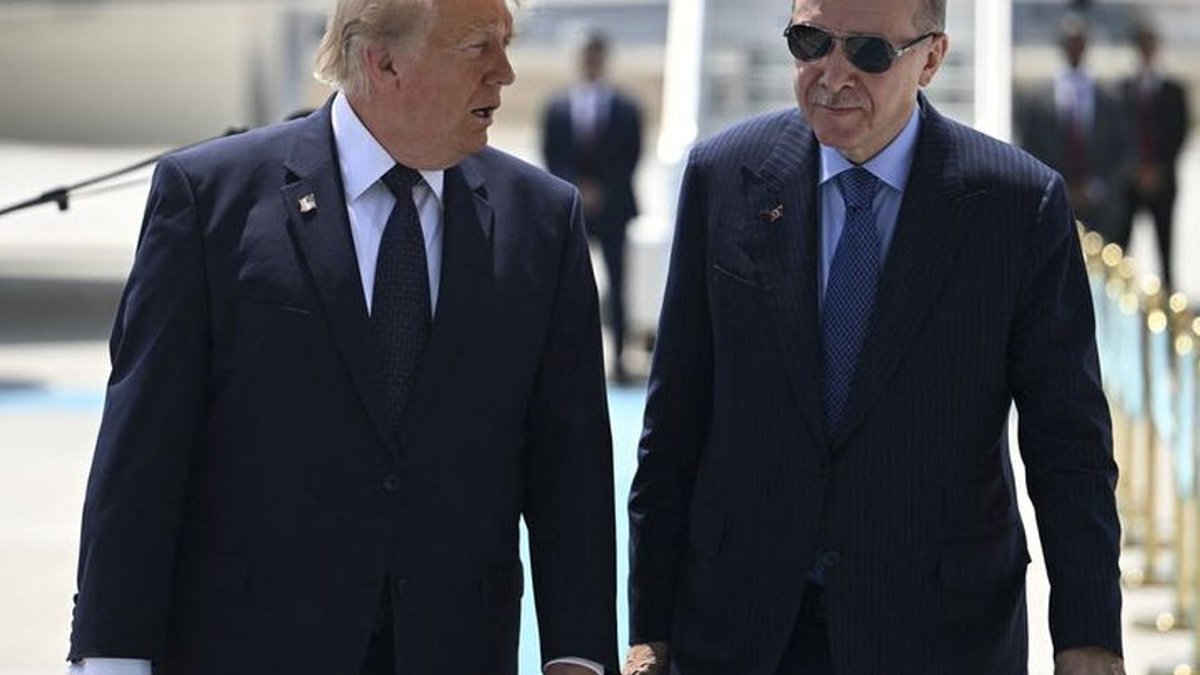
Turkish President Tayyip Erdogan urged U.S. President Donald Trump in a phone call to pursue talks with Iran to de-escalate tensions between the two countries, the Turkish presidency said on Tuesday. Ankara offered support for peace efforts.
Erdogan stressed that diplomacy should come first. A statement from the presidency said, “It is important to use every diplomatic option to reduce tensions between Iran and the United States. We hope discussions will continue, and Turkey will keep supporting peace efforts.”
Turkey’s role in regional conflicts
The call came after a senior Iranian official told Reuters on Monday that Iran would shift to a “fully offensive” military posture because efforts to negotiate a permanent end to the war have stalled, as Washington ruled out extending a temporary ceasefire agreement. Efforts to reopen the Strait of Hormuz, a key route for global oil, have also stalled. Turkey, which has NATO’s second-largest army and borders Iran, has repeatedly called for an end to the war. It has maintained close contact with the United States, Iran, and mediators such as Pakistan and Qatar, while also acting as an intermediary between the parties.
Turkey’s foreign minister discussed reopening the strait and maintaining the ceasefire with his Iranian counterpart on Monday. Ankara has criticized U.S. and Israeli military actions against Iran but also condemned Iranian attacks on Gulf states and called for the re-opening of the strategic strait.
Related: Tennessee primary tests new map splitting Memphis
Other topics in the Erdogan-Trump call
The discussion also covered bilateral ties, the war in Gaza, and a defence pact signed between Turkey, Saudi Arabia, and Pakistan. Erdogan praised the accord as a sign of a “strong stance” for regional stability and security.
He told Trump that Israel’s attacks on Palestinians had increased at a time when the second phase of Trump’s Gaza Peace Plan was supposed to come into effect. The White House did not immediately respond to a request for comment on the call.
Ankara’s balancing act continues as global trade routes face disruptions from regional conflicts.