Rhode Island residents purchasing individual health insurance plans will experience an average premium increase of 12.4% in 2027, following the state’s Office of the Health Insurance Commissioner (OHIC) approval of final rates on September 29. This decision impacts roughly 50,700 people in the individual market, though the actual cost for households varies based on plan selection, insurer, income level, and eligibility for financial aid. Insurers had initially sought an average 20.1% increase, but OHIC reduced the approved rise by nearly half.
The approved rates reflect differing outcomes across insurers. Blue Cross and Blue Shield of Rhode Island, covering 16,138 individual enrollees, received a 4.9% increase—half of the 9.8% it had requested. Neighborhood Health Plan of Rhode Island, which insures 34,555 individuals, saw a 15.8% rise, down from its proposed 24.9%. Since most individual buyers are enrolled with Neighborhood, the typical Rhode Islander will see a mid-teens premium increase before financial assistance applies.
Employer-sponsored plans fared better, with small group rates rising 3.8% and large group rates increasing 9.5%. OHIC’s review saved Rhode Islanders $86.7 million compared to insurers’ initial proposals. Additionally, a state health insurance fee, approximately $4 per person per month, was eliminated from 2027 premiums. These rates do not apply to self-funded employer plans, which cover about 65% of workers with job-based insurance.
Health Care Costs Fueling Premium Surge
Rising costs for hospital services, physician fees, and prescription drugs are the main drivers of premium increases. OHIC limited insurers’ administrative cost hikes to match general inflation, but underlying pressures persist. A University of Rhode Island survey found 72% of residents concerned about health care expenses, with 29% delaying recommended medical care last year due to cost.
The state is replacing part of the federal premium tax credits that expired after 2025. The Rhode Island Marketplace Affordability Program (RIMAP) launches in January 2027 and is expected to assist over 20,000 eligible customers in reducing monthly premiums. Eligibility is based on income, and open enrollment for 2027 plans runs from November 1, 2026, to January 31, 2027.
Parents of children in RIte Care with incomes between 138% and 175% of the federal poverty level may also qualify for state premium assistance when enrolling in a Silver plan through HealthSource RI. While these measures aim to slow health care cost growth, they will not influence 2027 rates.
How Rhode Islanders Can Lower 2027 Costs
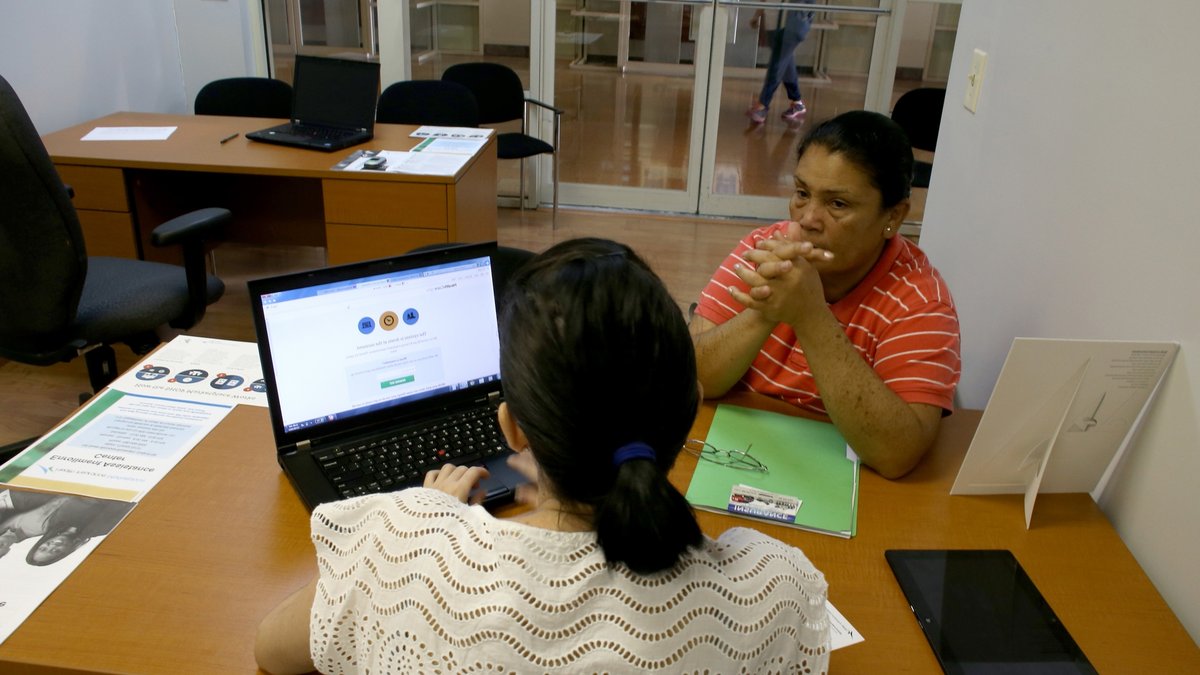
Consumers are advised against auto-renewing current plans. Instead, they should log in to HealthSource RI after November 1, update their expected 2027 income, and compare plans based on monthly premiums, deductibles, and out-of-pocket maximums. Verifying coverage for doctors, hospitals, and pharmacies is also critical to avoid unexpected expenses.
Free assistance is available through HealthSource RI navigators or by dialing 2-1-1. Individuals whose income has decreased should also review Medicaid eligibility, which is available year-round. The final cost varies significantly: some households will benefit from RIMAP, while others without aid will face the full increase.
Rhode Island’s 12.4% average hike aligns with broader trends in New England. Connecticut’s approved increase stands at 11.3%, while Maine’s is higher at 14.8%. Massachusetts, which merged its individual and small-group markets, saw an average base rate rise of 10.8%. Nationally, the Peterson-KFF Health System Tracker reported a median proposed increase of 15% across 276 insurers for 2027, reflecting sustained pressure on premiums after federal subsidy enhancements expired.
MedicalDaily tracked 51 insurers nationwide that sought increases above 25% for 2027 after the loss of expanded federal assistance. Rhode Island’s final approval, though higher than some neighboring states, remains below the national median and avoids the steepest proposed hikes elsewhere.