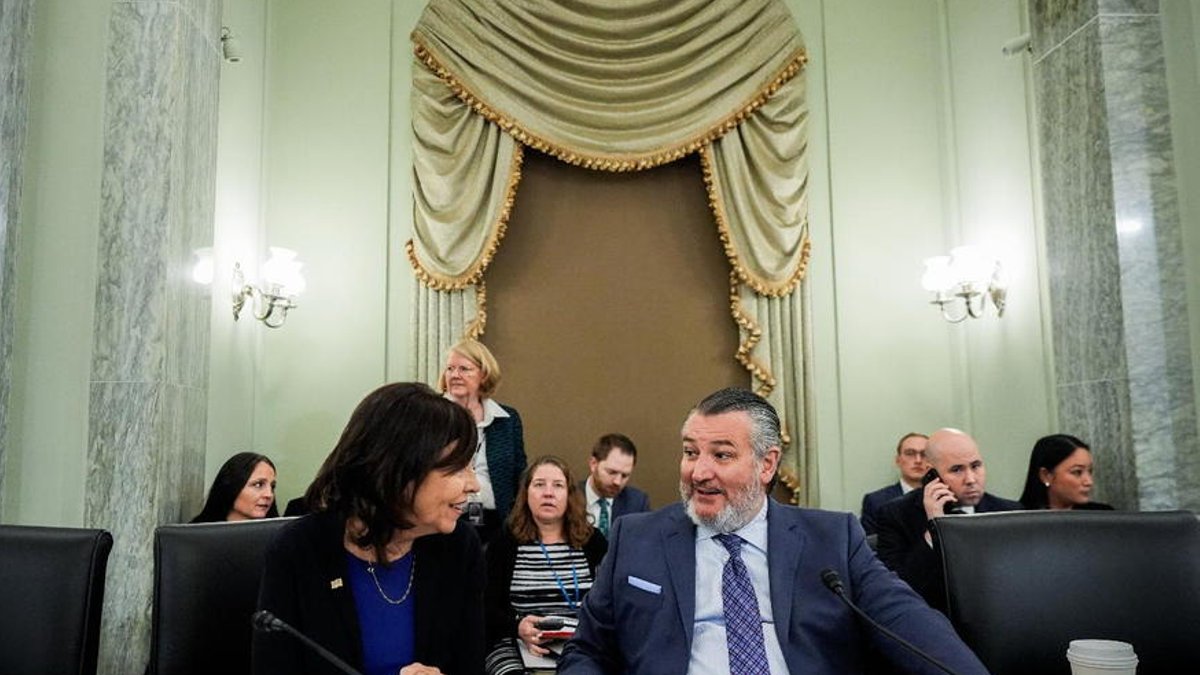
Senate negotiators are still working with the SEC and Big Ten to resolve differences over revisions to a bill that would regulate college sports, aiming for a vote before lawmakers break for summer recess next week.
Legislators race against the clock
Cruz and co-sponsor Cantwell want the Protect College Sports Act to pass before Aug. 7, the final day of Senate business before the chamber adjourns for the summer. Senators will return in September but will not be in session for the entire month, leaving little window to act before the November midterms.
Two documents outlining concessions were released to the public. They highlight a $20 million-plus “retention pool” that schools could use to keep players from leaving. The pool would effectively double the current revenue-sharing “salary cap,” which stands at $21.3 million for this school year.
Conferences seek clarity on rules
Leaders of the SEC and Big Ten are seeking answers on whether the increased revenue share would impact rules regarding third-party payments to players. Those payments are largely blamed for the rising costs of maintaining rosters. There is also concern over whether the changes comply with the House settlement, the $2.8 billion lawsuit agreement that dictates rules around revenue sharing.
Jeffrey Kessler, the plaintiffs’ attorney in that case, said he would need to review the language before weighing in on whether the settlement is impacted. Absent from the documents were rewrites regarding antitrust protection or preemption of state laws. Those issues have been central requests from conferences and the NCAA since Congress began the legislative process.
Related: Boeing planes carried Sudan paramilitary weapons
Earlier this month, the SEC and Big Ten released a paper outlining 10 “Common Sense Improvements” for the bill. Two of those entries, and three of the total 10 points, dealt specifically with antitrust and state law preemption. Other topics under discussion include adding flexibility to requirements for Olympic and women’s sports programs and relaxing language on conference expansion to allow leagues to grow to up to 19 teams.
There has also been language designed to prohibit private equity investors from paying schools to form a super league, though the conferences could ask for more refining of that specific text.
Pells reported from Denver.
AP college sports: https://apnews.com/hub/college-sportsCopyright 2026 The Associated Press. All rights reserved. This material may not be published, broadcast, rewritten or redistributed.