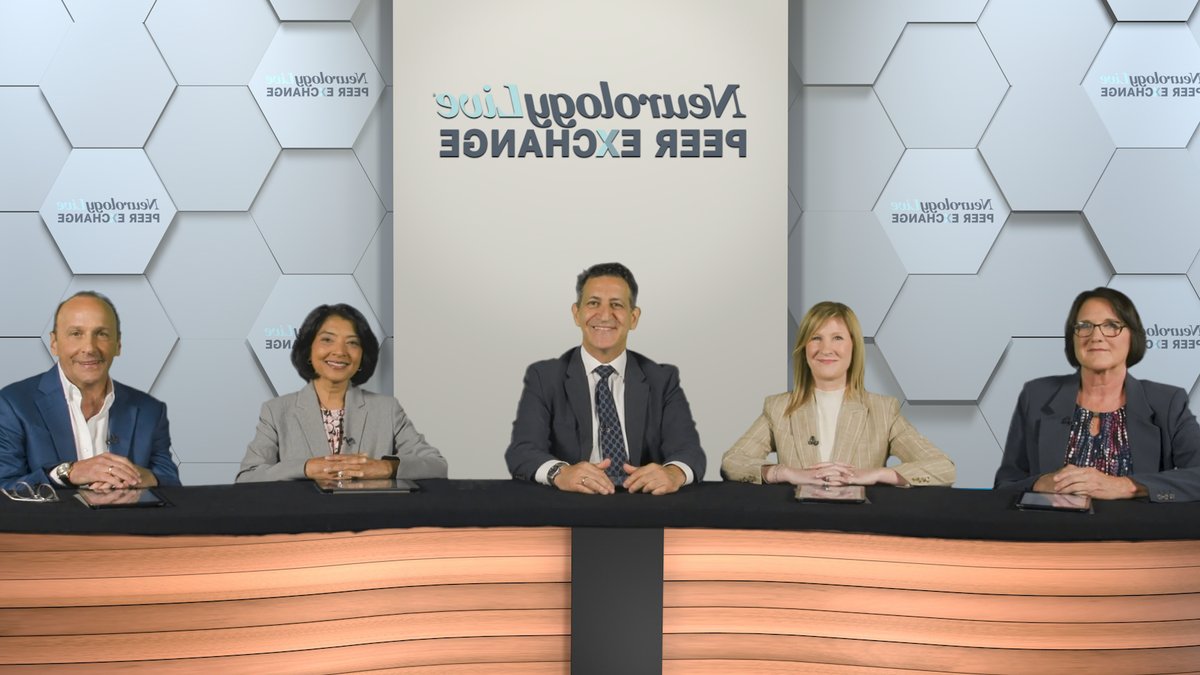
A panel of specialists notes that the approach to managing agitation is moving beyond many years of off-label drug use, widely in practice, for clinicians. In the past, treatment of Alzheimer’s-related agitation depended on off-label antipsychotics, including risperidone, quetiapine and olanzapine, as well as SSRIs.
A 2021 Cochrane review found these agents produced only modest benefit and minimal improvement in agitation specifically. This finding helped motivate dedicated clinical development of two agents now approved on-label for this indication.
Despite the evidence, off-label prescribing continues due to familiarity, cost, and formulary access, even where the supporting data are weak. A regulatory shift took effect on April 28, 2025, requiring medication use to follow FDA-approved clinical practice guidelines in long-term care settings.
Read Also: ALS Drug Trial Fails to Slow Disease Progression
This change opens easier access to on-label, branded agents in that setting, where cost and formulary barriers had previously been more common. Patient assistance foundations can help offset copay costs, though this regulatory change does not extend to the outpatient setting.
Off-label agents carry black-box warnings for increased mortality and fall risk in this population. Clinicians face a real tension between urgency and risk when treating a vulnerable group that, for years, had few well-studied options.
Clinicians and families alike are affected by the limitations of current treatment options. They recognize the importance of developing new, safer treatments for Alzheimer’s-associated agitation. The experts on the panel emphasize that the development of on-label treatments is a significant step forward in addressing this need.