Understanding the sequence of interventions can help patients and families plan appointments, lab work, and medication schedules.
First-line therapy: therapeutic phlebotomy
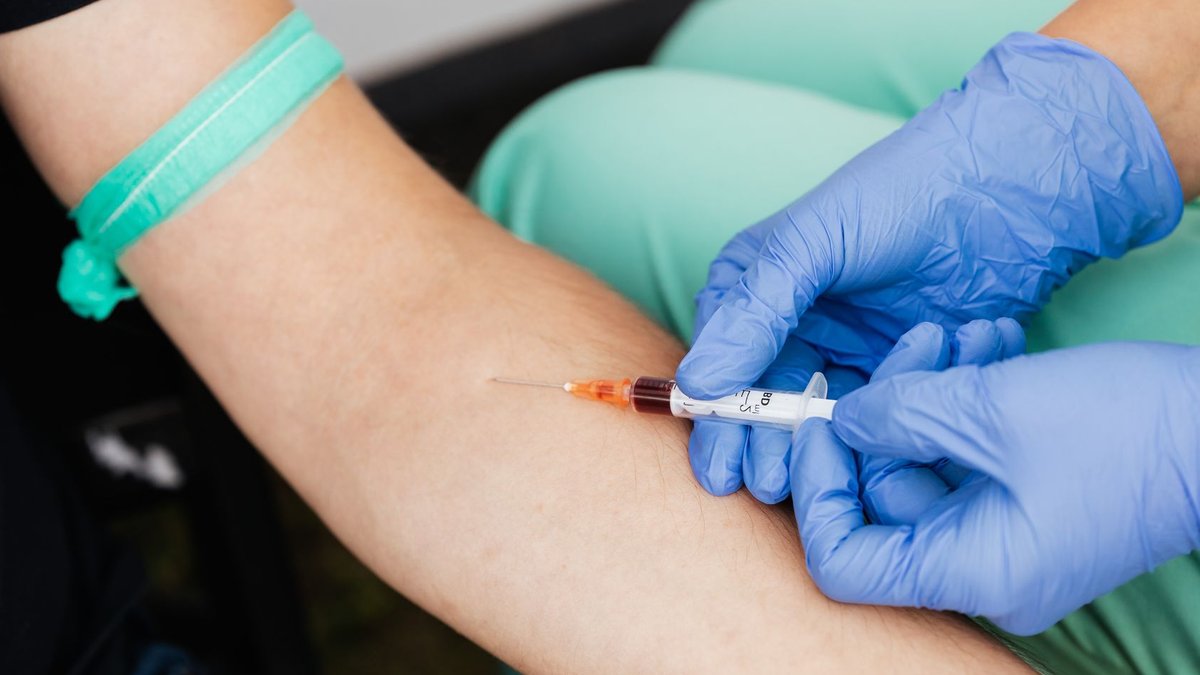
Therapeutic phlebotomy, described by Jennifer Woo, MD of City of Hope Orange County, removes roughly one pint of blood to lower the proportion of red cells in circulation. The procedure is ordered based on lab results, not for blood donation, and the extracted blood is not transfused.
Doctors adjust the frequency of phlebotomy according to each patient’s hematocrit and symptom profile. Some individuals require weekly sessions initially, then shift to monthly or less often once counts stabilize. Woo notes that needing three or more phlebotomies a year may signal that blood-cell control is insufficient and that medication should be considered.
Repeated phlebotomy can deplete iron stores, leading to low ferritin levels and heightened fatigue. Clinicians may monitor iron and ferritin to decide whether supplementation is needed, especially if patients report worsening tiredness.
When medication becomes necessary
Medication is typically added when hematocrit remains high despite phlebotomy, when phlebotomy frequency is high, or when patients exhibit clot-risk factors, splenomegaly, or persistent symptoms. The choice of drug reflects age, symptom burden, and individual priorities.
Read Also: New treatments improve breast cancer outlook
Hydroxyurea is an oral agent taken once daily that suppresses excess blood-cell production. Regular blood tests track its effect on counts and side-effects. Ropeginterferon alfa-2b (Besremi) is administered by injection every two weeks, with the interval potentially extending to four weeks after a year of stable results; common complaints include flu-like symptoms and itching.
Ruxolitinib (Jakafi) is a twice-daily JAK inhibitor approved for patients who cannot tolerate or do not respond to hydroxyurea. Anemia is its most frequent adverse event. Rusfertide (Mimrylo), a weekly subcutaneous injection approved in 2026, targets erythrocytosis and may lessen the need for frequent phlebotomy, though injection-site reactions and anemia can occur.
Most patients also take low-dose aspirin (80–100 mg daily) to reduce platelet aggregation. The regimen can cause mild gastrointestinal upset, which doctors manage with food or acid-suppressing agents.
Clinical trials remain an option for those whose disease is not well-controlled by standard therapies. Trial participation can provide access to emerging drugs or novel dosing strategies, and physicians can help locate studies that match a patient’s profile.
Beyond the medication schedule, the logistical burden of PV care includes regular blood draws, imaging, and office visits. Initial phlebotomy appointments may be brief, but patients often need extra time for check-in and lab processing. Injection therapies usually require a supervised start-up visit before patients can self-administer at home.
Read Also: Study finds 15-20% endometrial cancer recurrence risk after treatment
Financial considerations vary widely. Insurance coverage depends on whether a drug is billed as a prescription or a medical service, and out-of-pocket costs can differ by region.
Understanding the ripple effect on household responsibilities is essential. PV treatment can affect the people who help you, especially if you need frequent appointments or extra support at home.
When a patient’s treatment plan includes frequent phlebotomy or weekly injections, caregivers may need to allocate additional hours each week for clinic trips or medication management.
Virtual follow-up visits can replace some in-person appointments, especially when the focus is on reviewing lab results rather than physical examination.