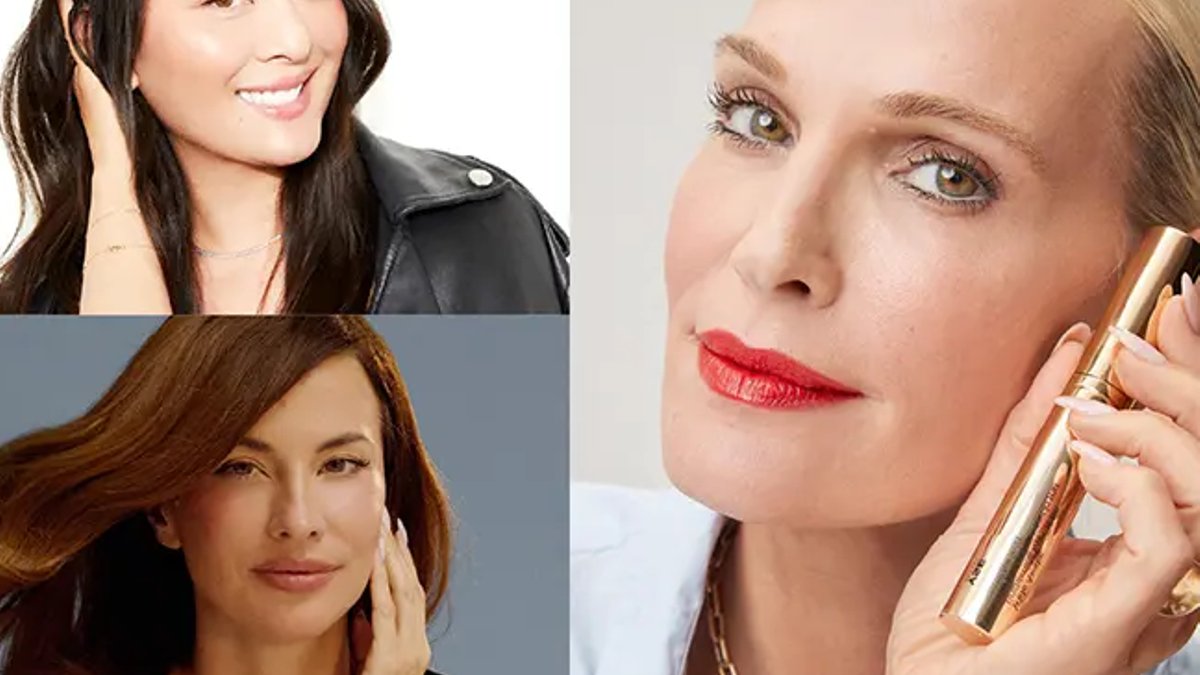
International Women’s Day in March 2026 highlights women who are reshaping the wellness industry—not just as consumers, but as founders, scientists, and entrepreneurs who created brands from personal need. Their stories, featured in The Chalkboard Mag’s Living Well series, show how resilience, community, and a rejection of industry norms transformed personal struggles into influential movements.
A common thread connects these founders: each identified a gap in the market, whether it was safe skincare for eczema-prone skin or fragrances free from harmful chemicals. Molly Sims, a model and actress, shifted from beauty routines driven by burnout to launching YSE Beauty, a brand focused on skin-barrier repair. After years of over-exfoliating, she developed gentle exfoliating pads designed for daily use.
Amy Liu, founder of Tower 28, addressed an even more urgent need. After struggling for years with eczema-prone skin, she found no makeup that didn’t trigger flare-ups. Her solution was a line fully approved by the National Eczema Association, the first of its kind.
Some founders turned personal health crises into broader missions. Indie Lee, who launched her namesake brand after recovering from a brain tumor, now advocates for “clean beauty” as a form of self-trust. Her INDIE LEE line avoids preservatives and fragrances she deemed unsafe for her own body.
The wellness industry has long been driven by trends, but these founders prioritize transparency over hype. Priscilla Tsai, creator of cocokind, rejects skincare myths in her work. Her bestselling moisturizer, Goodbye Cruelty, lists every ingredient, even the water source, on the label.
How Founders Fix Wellness Industry Failures
The brands they’ve built address systemic failures in wellness. Dr. Robin Berzin, founder of Parsley Health, points to a gap in modern medicine: patients who appear healthy on paper often still feel unwell. Her functional-medicine approach focuses on energy, digestion, and stress, areas conventional care often ignores.
These founders reject the idea that wellness must be performative. Carina Chaz, who created DedCool’s cult-favorite fragrances at age 13, designs scents as rituals, not fleeting trends. Her scent MILK, a creamy vanilla-coconut blend, became a viral hit, but she credits its success to simplicity.
The interviews reveal another key theme: community as a foundation. Lauren Ireland and Marianna Hewitt, co-founders of Summer Fridays, attribute their brand’s success to listening closely to customers. Their Jet Lag Mask, a cooling treatment, emerged from real feedback rather than influencer trends.
Not all founders entered wellness through traditional paths. Amy Lea, an astrologer and Human Design analyst, helps leaders align decisions with cosmic patterns. Her work bridges science and spirituality, offering frameworks for self-trust in a world of conflicting advice.
The Living Well series captures a moment where purpose drives wellness over profit. These founders didn’t aim to disrupt an industry; they sought to fix what was broken for themselves. In doing so, they’ve redefined leadership in a space that often prioritizes trends over truth.
The series also explores how wellness extends beyond skincare and supplements. Laurel Gallucci and Claire Thomas, founders of Sweet Laurel Bakery, built a grain-free brand centered on healing and friendship. In this Living Well conversation, Laurel Gallucci and Claire Thomas share how a personal health journey and creative partnership helped shape one of the most recognizable wellness bakeries today.
Community-Driven Innovation Over Trends
One founder’s approach stands out for its scientific foundation: Hillary Peterson, leader of True Botanicals, treats plants as partners in skincare. In our conversation, she shares the philosophy behind the brand’s ingredient sourcing and the rituals that help her stay balanced as a founder.
The series concludes with a reminder that wellness is not one-size-fits-all. Elissa Goodman, a holistic nutritionist, debunks diet myths in her interview. Her advice focuses on supporting the body, not rigid rules.