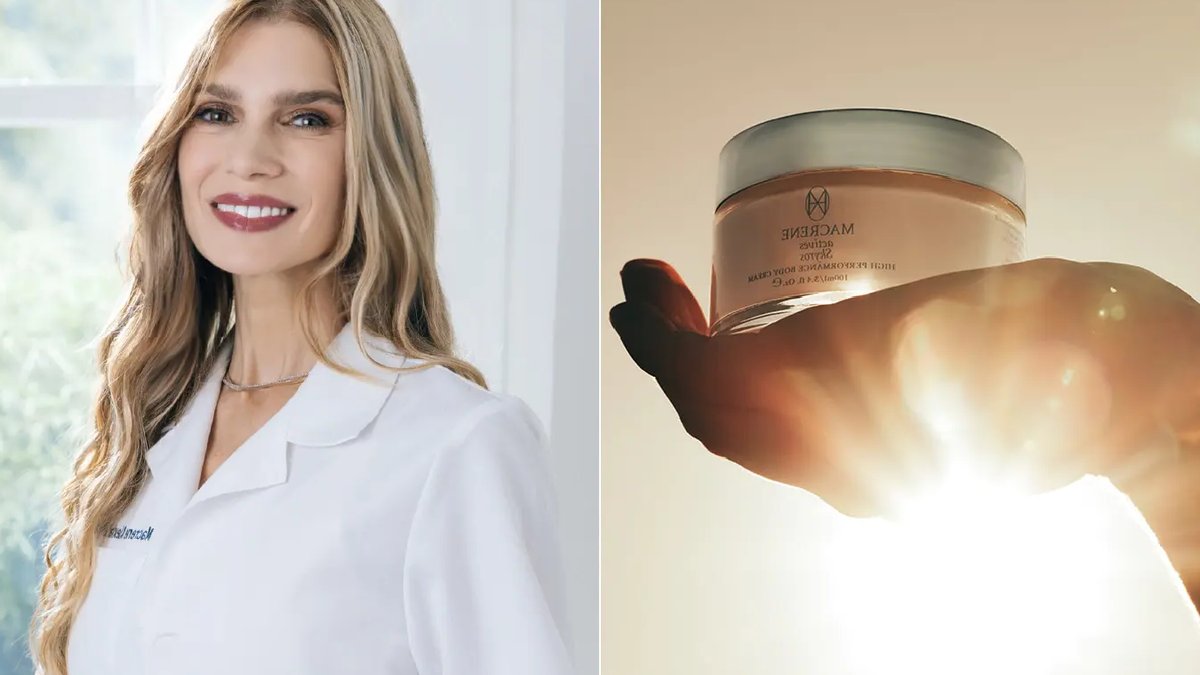
As we age, skin undergoes significant changes, many of which are invisible. After age 40, factors like sun exposure, collagen loss, and hormonal shifts impact skin texture and moisture retention. Harvard-trained dermatologist and molecular genetics researcher Dr. Macrene Alexiades explains the science behind these age-related skin transformations, offering insights into the complex processes that occur beneath the surface.
The Biology of Aging Skin
Decades of gradual change can lead to sudden visible signs of aging, a phenomenon Dr. Alexiades refers to as ‘punctuated aging.’ From the mid-20s onwards, collagen production decreases by about one percent annually, while elastin fibers deteriorate due to sun exposure and genetic factors. By the time women reach 40, these changes manifest as fine lines, crepiness, and a softer jawline.
As people age, their skin’s ability to regenerate itself slows down, resulting in a duller complexion and increased pigmentation. The skin’s natural defenses against UV damage also weaken, allowing damage to accumulate rather than repair itself. Additionally, the skin’s barrier function diminishes, leading to dryness and reactivity. The onset of perimenopause further accelerates collagen loss, with up to 30 percent lost in the first five years after menopause, and facial fat and bone density also decrease, causing laxity and hollowing.
Traditional skincare routines often overlook the impact of chronic inflammation and DNA damage on the skin. Dr. Alexiades’ approach, on the other hand, incorporates antioxidant, anti-inflammatory, and DNA-protective ingredients into every formula to address these underlying issues. By targeting the root causes of skin aging, her products aim to provide a more complete solution than conventional skincare.
It is a result of targeting the root causes of aging rather than simply masking the symptoms.
Building a Routine
The routine involves applying the Face Cream to clean, damp skin, followed by the Serum to lock in the active ingredients. The Eye Cream should be applied around the orbital bone, morning and evening, to maximize its benefits.
Within two to four weeks, skin texture appears more refined, and redness and dullness are reduced. After eight to twelve weeks, the skin undergoes significant renewal, resulting in softer fine lines, firmer skin, and a more even tone. Consistency is key to achieving these results.
Read Also: 30 Thoughtful Gifts Under $100 Recommended
A practical tip involves placing the product in the refrigerator after opening. This action extends the durability and peak power of the actives. The products are formulated without silicones, petrolatum, mineral oil, or fragrance. Many of the botanicals are grown organically on the farm in the Hudson Valley.
The eyelid skin is particularly delicate, with a thickness of approximately half a millimeter, and few oil glands, making it prone to dryness and irritation. Dark circles can be caused by vascular, pigmentary, or structural factors, and puffiness is often the result of overnight fluid accumulation.
Palmitoyl hexapeptide-12 and hydrolyzed hyaluronic acid visibly smooth fine lines and help the area look firmer. Coffea robusta seed extract, caffeine, and yerba mate target the look of puffiness and the bluish cast of dark circles. A complex of amino acids, including arginine, aspartic acid, and alanine, brightens the under-eye area. Rosemary, rice bran, and sunflower provide antioxidant protection.
The Eye Cream also features squalane, jojoba esters, olive-derived lipids, and bisabolol to keep the delicate skin comfortable and hydrated. In consumer studies, 100 percent of participants reported smoother and tighter skin, 98 percent noticed brighter-looking dark circles, and 98 percent experienced reduced puffiness.
The Neck and Décolletage Treatment is specifically designed for the unique skin in this area, which is thinner and has fewer oil glands than the face. Decades of sun exposure can cause significant damage, making it essential to use targeted products to address these concerns.
Dipalmitoyl hydroxyproline and red marine algae in the Neck and Décolletage Treatment work to improve elasticity and firmness, while stabilized vitamin C, resveratrol, and acetyl glucosamine help to brighten brown spots. Silver ear mushroom and hydrolyzed hyaluronic acid provide hydration and plumping, and citrulline, watermelon extract, and caffeine help to refresh the area.