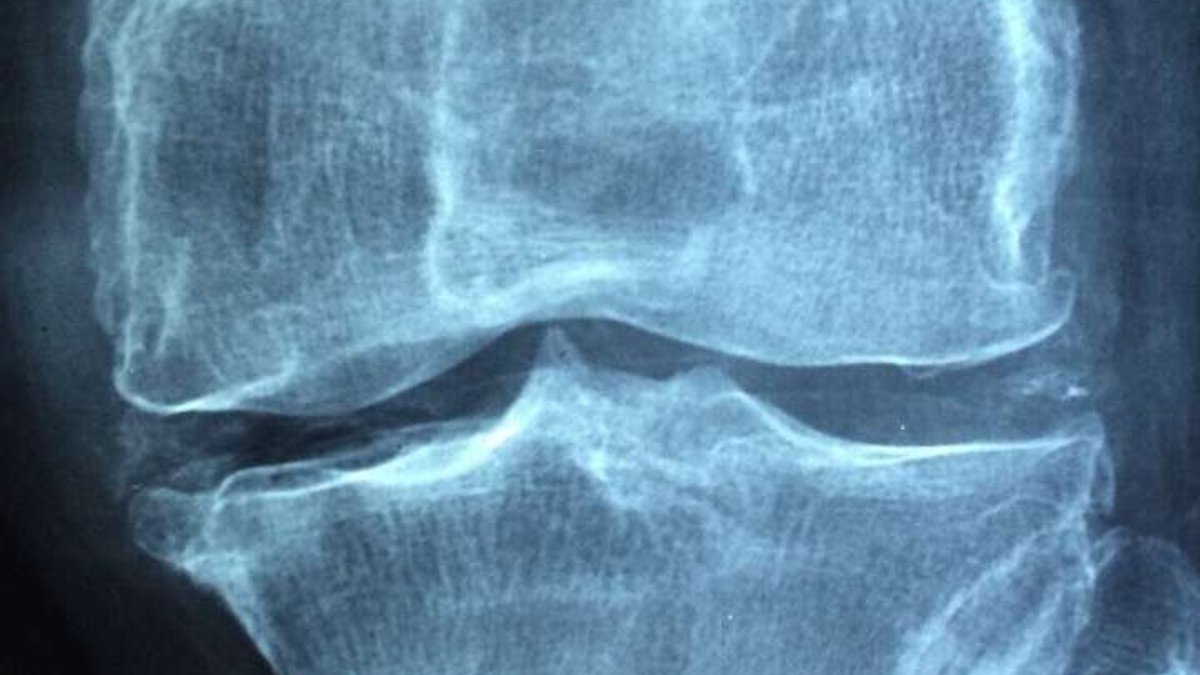
As people age, their bones become weak and brittle due to a process called osteoporosis, which is caused by changes in the cells within the bone marrow microenvironment. The STING signaling pathway is a molecular driver of inflammation, and its role in aging bones has been unclear until now.
Researchers have discovered that the STING pathway is activated in bone marrow macrophages during aging and could be a target to prevent bone loss, according to a new study published in Advanced Science.
The STING pathway is part of the innate immune system, sensing and protecting against infection, cellular stress, and cancer.
Bone marrow macrophages are immune cells that protect against pathogens and can increase inflammation, a hallmark of skeletal aging. The researchers investigated the STING pathway with mice lacking the STING protein in bone marrow cells.
Aging fat cells, or bone marrow adipocytes, trigger inflammation and activate the STING pathway in bone marrow macrophages. The researchers found that bone marrow adipocytes from older mice promoted STING activation in bone marrow macrophages from young mice.
Senescent bone marrow adipocytes can secrete harmful factors, including DPP4, a protein that activates the STING pathway, induces inflammation, and contributes to bone loss.
The researchers also discovered that NAD⁺ depletion undermines bone repair, as decreasing NAD⁺ in bone marrow stem cells prevents them from differentiating to form and repair bone.
In this study, the researchers connected a molecular pathway across three cell types implicated in skeletal aging, positioning STING signaling in bone marrow macrophages as a key integration hub, highlighting its targeting potential for full management of the complex bone marrow microenvironment during skeletal aging.
A study published in Advanced Science with the DOI: 10.1002/advs.77571, has further elucidated the role of bone marrow macrophage STING signaling in skeletal aging, demonstrating its direct link to marrow adipose expansion, NAD+ depletion, and osteogenic decline. As reported on https://medicalxpress.com/news/2026-10-bone-loss-pathway-potential-treatment.html, this pathway presents a potential treatment target for skeletal aging.