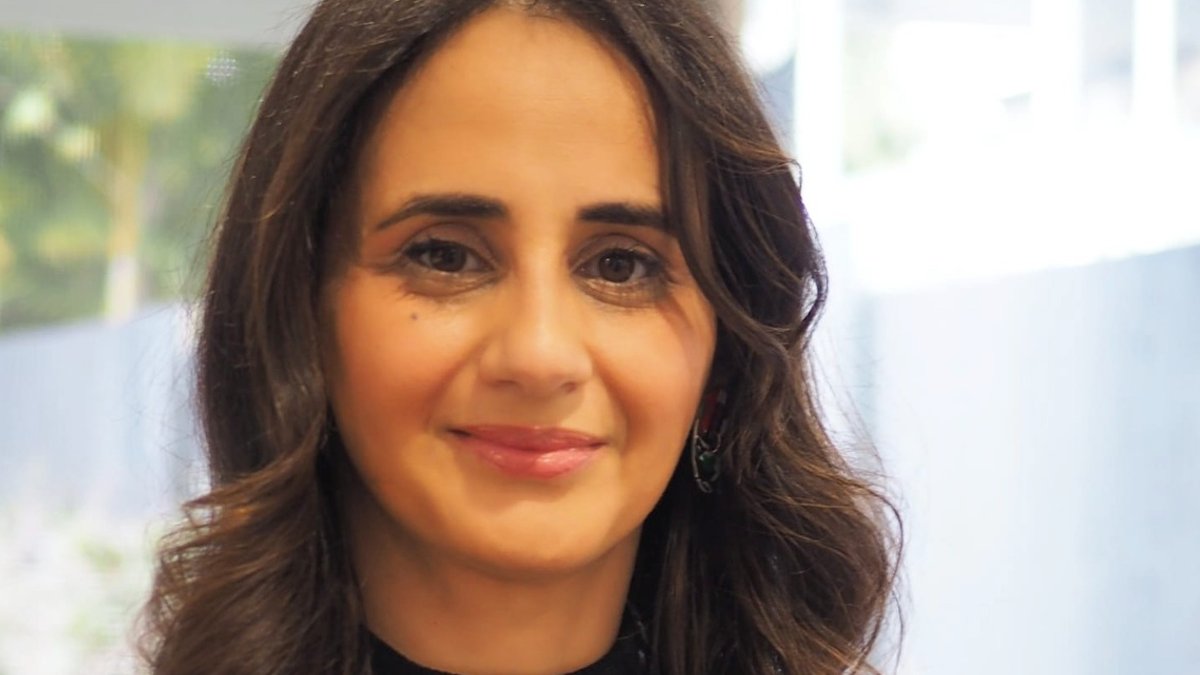
For many health professionals in Australia, the unrelenting trauma that Israel is inflicting upon Palestinians is deeply personal, affecting their own wellbeing and intersecting with their experiences at work. In the article below, Dr Yassmin Khadra, a Palestinian Australian physician, describes her family history, her profound grief at watching the devastation of Gaza, her experiences of racism at work, and the impact of the silencing of those standing for Palestinians’ rights. She also calls upon the national health regulator to rescind its adoption of the International Holocaust Remembrance Alliance (IHRA) Working Definition of Antisemitism (as previously covered at Croakey).
Yassmin Khadra writes:
I am a Palestinian daughter, granddaughter, and descendant of the Nakba or the 1948 catastrophe. My mother’s family was from Yaffa, a Palestinian coastal city. In 1948, they were forced to leave their home and became displaced to the West Bank, they were displaced once again, this time to Jordan, where they lived in refugee camps. The Nakba is an intergenerational experience whose consequences continue to this day. It is my family’s lived history. It is the story of generations of Palestinians who have carried the experience of exile while remaining deeply connected to their land, identity, culture, and pursuit of justice. My father’s family continues to live in Hebron in the occupied West Bank. They endure military occupation, restrictions on movement, checkpoints, economic hardship, and settler violence. Like many Palestinian parents, mine devoted their lives to ensuring their children had opportunities they themselves had been denied. My mother was a proud Palestinian woman who instilled in us a deep love for our homeland. In the months before she died in December 2025, despite her own illness, she told her doctor that what troubled her most was “what is happening in Gaza.” In her final weeks, a nurse reassured me by saying, “Your mum was praying for the people of Gaza.” Even while facing her own mortality, her thoughts remained with Gaza. That is how deeply Palestine lives within so many Palestinian families. I grew up with the sound of news broadcasts constantly playing in the background of our home. I remember watching the images of Palestinian children killed or injured. One image that has remained with me is that of Muhammad al-Durra, a frightened child whose father desperately tried to shield him from gunfire. I also witnessed families mourning loved ones and standing among the ruins of demolished homes. Since 2007, I have watched Gaza endure years of siege and repeated cycles of Israeli military operations, some of which have wiped entire families from the civil registry. I remember an image of a half-empty classroom in a Gazan primary school, with the names of martyred students written on the desks that would no longer be occupied. These experiences and images became part of the collective memory that shaped my understanding of injustice and my commitment to advocate for the Palestinian cause.
Profound grief
Related: Indigenous Australians Set Science Research Agenda