Progressive candidates are gaining momentum in primary elections across the United States, aided by a new left‑wing media ecosystem that lets them shape their national profile without relying on traditional Democratic gatekeepers.
Media Platforms Boost Candidate Visibility
Pennsylvania state Representative Chris Rabb, a Democratic socialist, credited appearances on programs such as “The Majority Report with Sam Seder” and “Breaking Points” for his recent victory in a congressional primary. “It helps me increase my visibility, validation and ability to raise money,” he said, describing the effect as “a Venn diagram of success.”
These outlets—ranging from podcasts and YouTube channels to livestreams—blend opinion journalism with activism, offering a sympathetic space for candidates to refine messages and rally grassroots support. Yet analysts warn the same platforms could deepen divisions within the Democratic Party and push moderates further from the coalition.
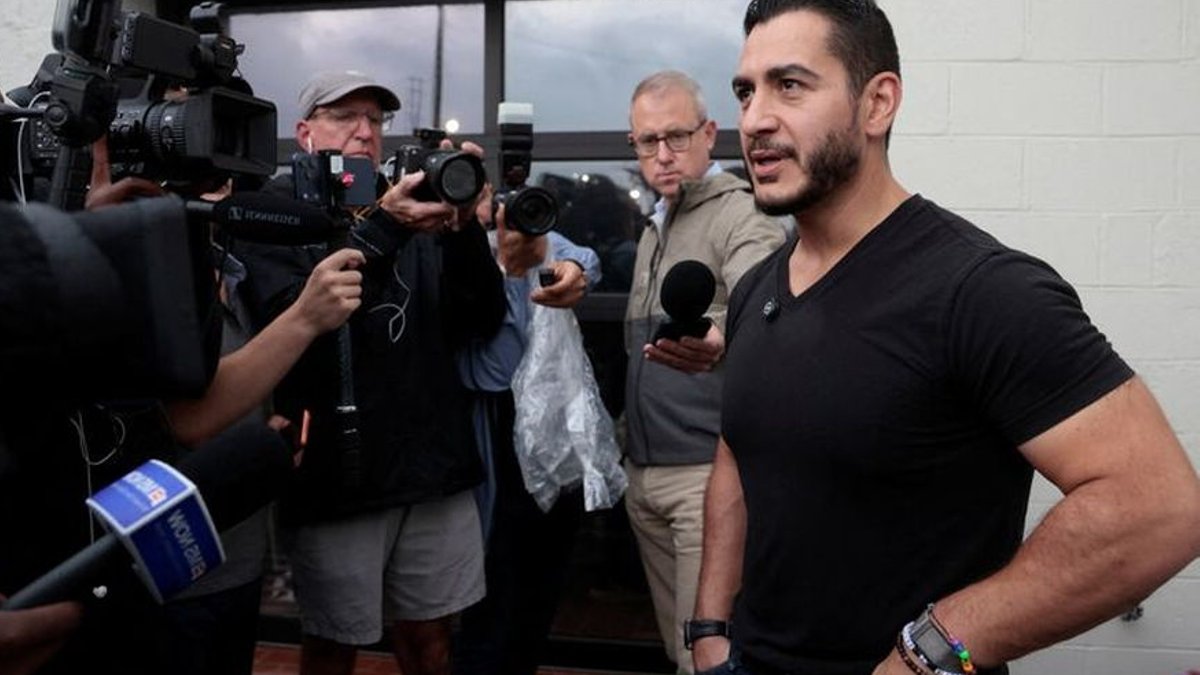
In Michigan, progressive Abdul El‑Sayed secured the Democratic Senate primary against establishment favorite Haley Stevens, despite being heavily outspent on television advertising. The former state health official leveraged the reach of left‑leaning media to offset the influx of tens of millions of dollars from pro‑Israel and other outside groups.
Related: Tennessee primary tests new map splitting Memphis
Growth of Independent Left Media
The American left has long maintained a network of shows and publications, but declining trust in traditional media is driving audiences toward independent creators who act as political kingmakers. While right‑wing outlets command larger budgets, the left’s growing constellation of podcasters, streamers and digital publishers is increasingly influencing Democratic primaries, fundraising and activist organizing.
Zeteo, a news outlet launched by former MSNBC host Mehdi Hasan, reports 700,000 Substack subscribers—a 50 percent rise from the previous year. “The Majority Report with Sam Seder” reaches more than two million YouTube viewers, with roughly three‑quarters of its audience under age 55. Meanwhile, commentator Hasan Piker commands over three million followers on Twitch.
Campaign strategists value the depth these platforms allow. “We help create early enthusiasm,” Seder explained, noting that many of his listeners are activists and staffers in legislative offices. Candidates often appear on a circuit of shows, enabling audiences to discover them through trusted ideological allies, according to Democratic operative Jesse Lehrich, co‑host of the “Nobody Knows Anything” podcast.
“It’s interconnected,” Hasan added, suggesting that media figures and political newcomers mutually boost each other’s profiles.
Related: Understanding Trump’s Proposed Board of Peace Initiative
Compared with previous election cycles, the current surge mirrors earlier attempts by progressive media to shape narratives, but the scale and digital reach now surpass those efforts, offering candidates a more direct line to younger voters.
Grassroots Podcasts Expand Influence
“I’ve Had It,” a podcast started by Jennifer Welch and Angie “Pumps” Sullivan in 2022, initially focused on everyday frustrations before turning to politics during the 2024 presidential campaign. The show now reaches more than 5.2 million subscribers across YouTube, Facebook, Instagram and TikTok.
Welch told reporters that listeners come for news and opinion, and she endorsed El‑Sayed on air, calling the endorsement a “layup.” “I think the Democratic base is so much further than what the establishment realizes,” she said, adding that candidates like Abdul are the future of the party if it aims to become an opposition force.